
First 9/11 Abroad & First Microfinance Experience.
We just returned from Atwar, Rajisthan, where we spent two days visiting an education and microfinance NGOs. Its rural location provided us unpolluted air and we saw the sky and moon for the first time since arriving in India. After talking about microfinance for the past year, it was incredible to see it live and it proved to be very educational.
I’ve realized that my understanding of the impact of a small loan was very wrong. I thought that women were receiving loans, investing in small enterprises (ie, buying a cow), selling the milk for an income far greater than the loan and interest and using the net profit to climb out of poverty. Instead, the loan is primarily used to lower a borrower’s cost of capital. Naively, I assumed the recent microlending proliferation in rural areas was the first access that villages had to borrowing. Lending has been going for years, but rather than small, well-intentioned NGO’s facilitating the exchange, private lenders were lending money at exorbitant rates (50-100%). Microfinance has helped villages access cheaper money (50% vs. 20%) and borrowers can use the net savings on lifestyle improvements. At the end of our meeting, the women asked us to “tell them how they can improve their lives and become wealthy”. We were all speechless.

A microfinance SHG (self help group) in Atwar, Rajisthan.
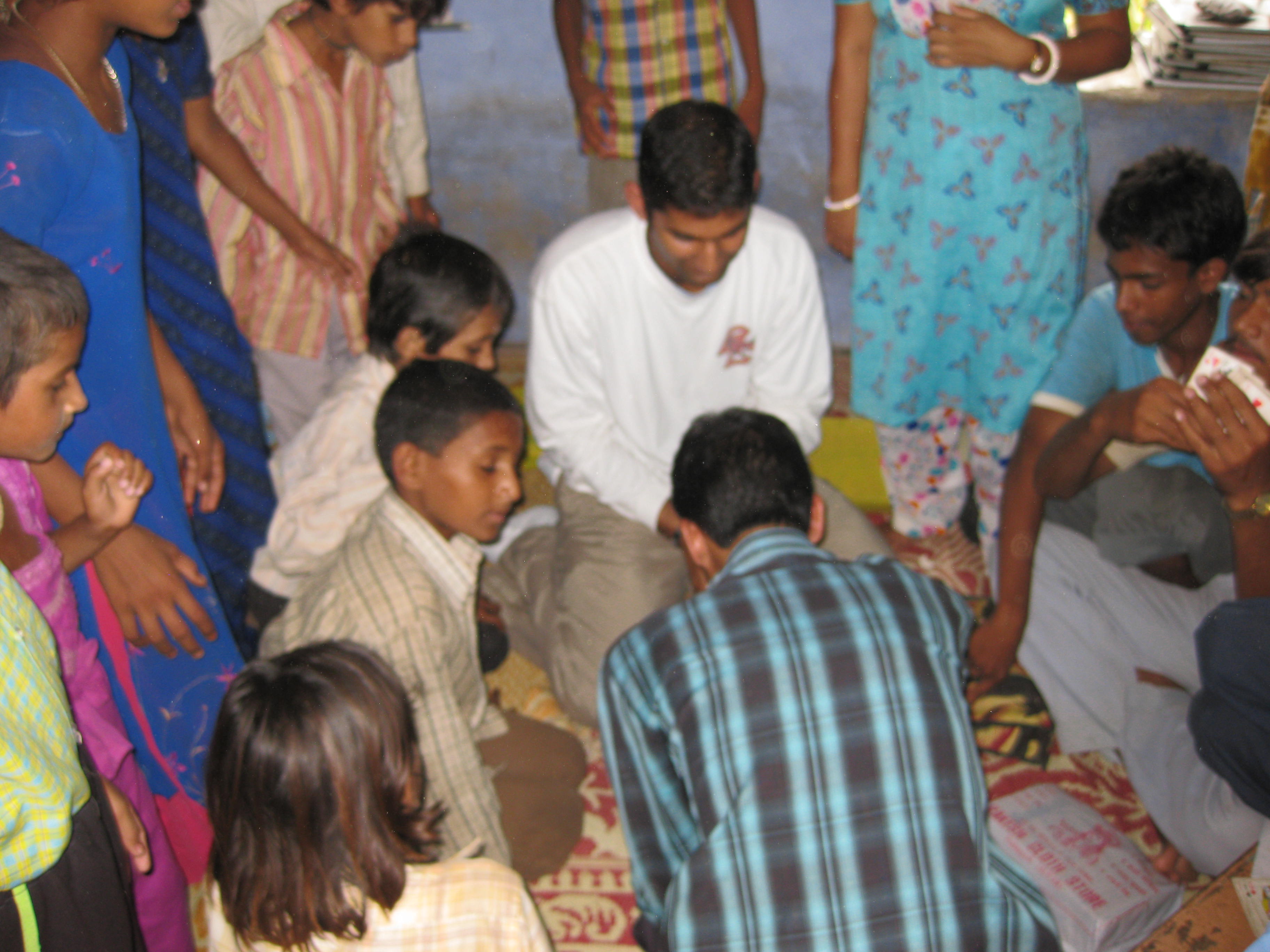
Sharing magic tricks with Atwar children.
The second week of training has gone by quickly, as I’ve adjusted to the schedule of speakers, site visits, paneer filled meals and even the dreaded stomach ailments. I would like to write about the speakers because 1) I don’t want to forget what they said and 2) many of them were of notable distinction and achievement and I want to share their views, but it would take 20 pages to do so. Instead, I’ll list some of the highlights and links.
Orientation Highlights:
– Private tour of the Indian National Gallery of Modern Art
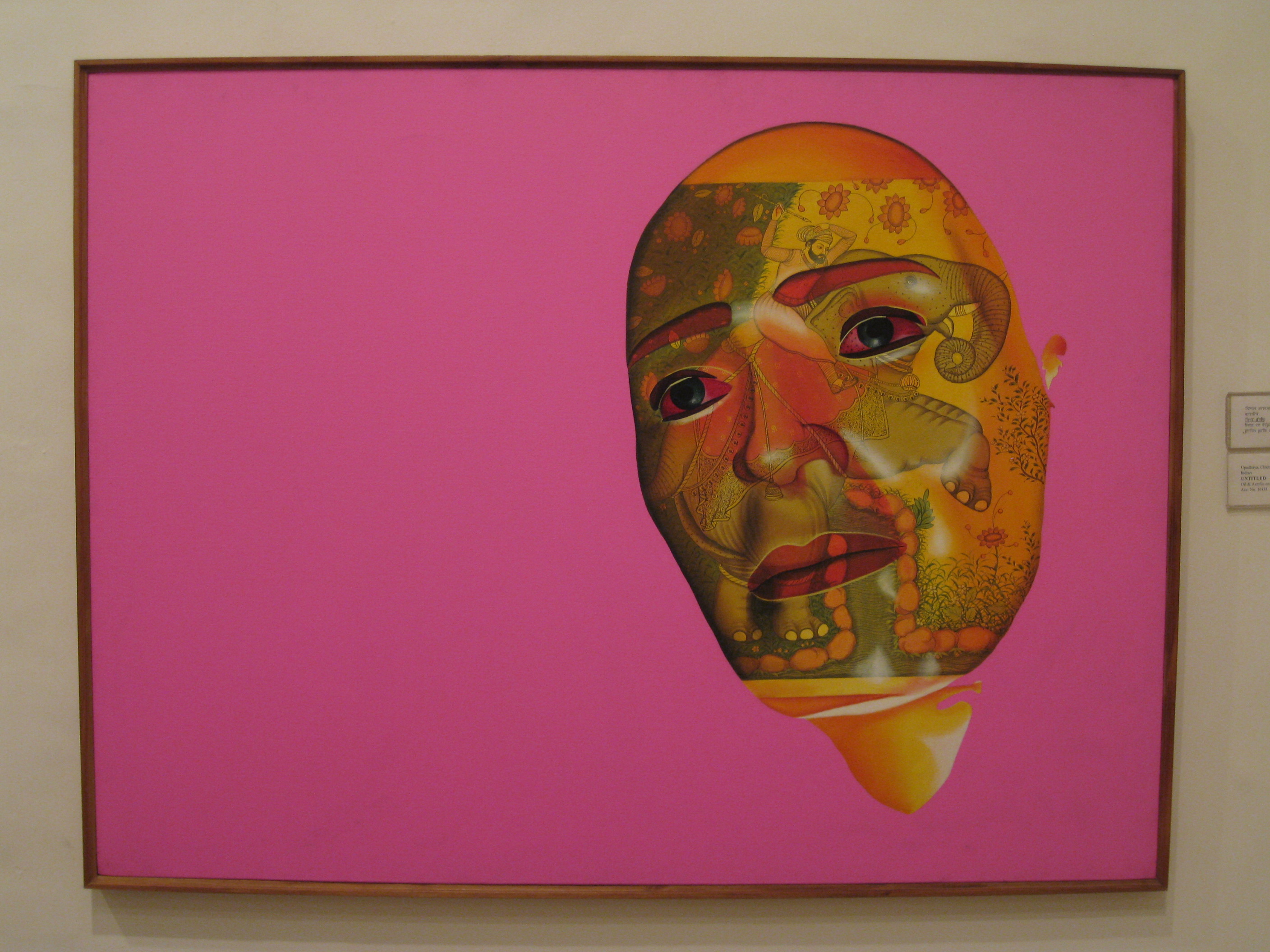
art can be found in a root canal.
– George Abrahim, founder of the World Cup of Cricket for the Blind
– Dinner at Acqua, a posh new club at the Park hotel hosted by Priya Paul, AIF advisory board member
– Discussion with Pratham (educational NGO that has helped over 200,000 kids become literate)
– Human rights conversation with Harsh Mander, author of Unheard Voices
– Jonathon Ripley’s discussion on Kothi’s (must read, through the eyes of Carolyn, a fellow fellow)
Today is also September 11th, but in Delhi, it is just an ordinary day. While we were in Altwar yesterday, we walked through a village where the MFI NGO was. While touring the village, I often shaped my hands in the Indian prayer form and said Namaste to the villagers as a way of saying hello. A fellow fellow was quick to point out that not everyone in the community was Hindu. Embarrassed at first, I realized that here in the villages of India, which account for nearly 75% of India’s population, Hindus and Muslims were living in harmony. India continues to suffer from religious conflict in other parts of the country, but here on the 7th anniversary of 9/11, it was encouraging to see.


 finding rickshaw.